Why Institutional Culture Matters for Good Governance
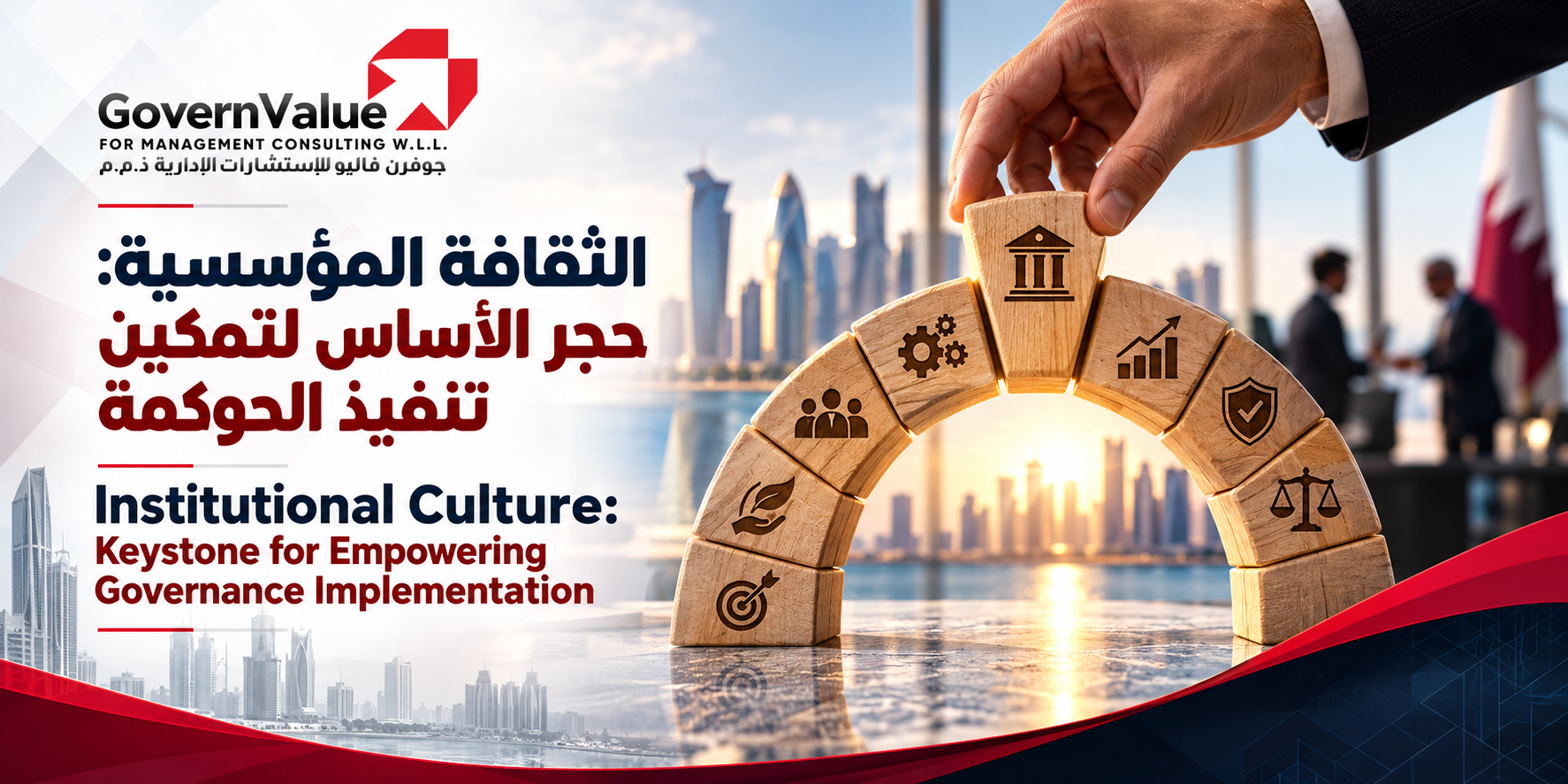
Institutional culture and the surrounding environment are foundational to translating governance frameworks into meaningful action. While policies, charters and compliance checklists are essential, they are inert unless the organizational culture supports ethical behavior, transparency and accountability. For boards, executives and institutional investors across the GCC, aligning culture with governance objectives is a strategic imperative to deliver sustainable performance and manage systemic risk.
Defining institutional culture in governance terms
Institutional culture refers to shared values, norms, codes of conduct and everyday practices that guide behavior inside an organization. In governance terms, culture determines whether board decisions are implemented faithfully, whether management escalates risks in a timely way, and whether internal controls are respected. A healthy governance culture amplifies the effectiveness of board oversight, executive accountability and enterprise risk management.
How Culture Enables Governance Implementation
Culture converts structure into practice. Key mechanisms include:
Tone at the Top — Leadership behavior signals acceptable standards; ethical leadership cascades trust and compliance across the organization.
Decision-Making Norms — Open debate, evidence-based decisions and dissent channels strengthen board dynamics and prevent groupthink.
Incentives and Consequences — Performance metrics, remuneration and disciplinary regimes must align with long-term governance goals to avoid perverse outcomes.
Information Flow — Transparent reporting and risk escalation practices enable timely interventions and informed board oversight.
Learning and Adaptation — A culture that values continuous improvement embeds lessons from failures into governance processes.
Real-world impact: From policy to practice
Consider enterprise risk frameworks: a formally robust framework will fail if staff fear reporting near-misses or if managers hide problems to meet short-term targets. Conversely, an environment that rewards candid reporting and addresses root causes increases the probability that risk controls will be implemented and iterated effectively.
Core Elements for Culture-Led Governance Empowerment
Boards and senior management should focus on several practical elements to align culture with governance:
Clear values and conduct codes articulated in actionable terms and reinforced through onboarding, ongoing training and leadership exemplars.
Leadership development for directors and executives that emphasizes ethical decision-making, stakeholder engagement and constructive oversight.
Aligned KPIs linking executive compensation and performance metrics to sustainable outcomes, compliance, and non-financial governance indicators.
Robust whistleblowing and escalation channels that protect reporters and ensure timely remediation.
Culture measurement and diagnostics through surveys, tone-of-the-top assessments, and behavioral analytics integrated into risk dashboards.
Metrics and assurance
To operationalize culture, organizations need measurable indicators. Examples include reporting rates for compliance concerns, employee perception scores on ethics and leadership, frequency of near-miss reporting, and remedial action closure rates. Internal audit and compliance functions should provide independent assurance on whether cultural interventions are translating into behavioral change.
Governance in the GCC Context: Opportunities and Priorities
GCC markets, driven by Vision 2030 agendas and diversification strategies, are prioritizing governance reforms and institutional strengthening. Family offices, sovereign wealth funds and listed companies face distinct cultural challenges—balancing legacy ownership structures with modern governance expectations. Practical priorities for the region include professionalizing boards, enhancing independent oversight, and embedding meritocratic talent practices that support a performance and compliance-oriented culture.
Family-controlled entities and succession
Within family businesses, cultural alignment is crucial for governance continuity and wealth preservation. Clear family charters, independent director inclusion, conflict-of-interest policies and succession planning grounded in transparent criteria help institutionalize governance beyond individual family leaders.
Implementing a Culture-First Governance Program: A Roadmap
Boards and management can follow a structured approach to embed culture into governance:
Assess — Conduct a culture diagnostic with stakeholder interviews, surveys, and governance gap analysis.
Define — Agree on desired cultural traits tied to governance objectives and draft a succinct culture statement endorsed by the board.
Embed — Realign policies, KPIs and remuneration to reflect cultural goals; integrate into onboarding and leadership programs.
Monitor — Use leading and lagging indicators, internal audit assurance, and regular reporting to the board on cultural health.
Reinforce — Promote success stories, apply consistent consequences for misconduct, and iterate based on feedback and incidents.
Conclusion: Culture as Strategic Capital
Institutional culture is not a soft add-on; it is strategic capital that determines whether governance frameworks protect value and enable growth. For C-suite executives, board members and institutional investors in the GCC, prioritizing culture aligns governance with risk management, long-term performance and regulatory expectations. Boards that measure, manage and model the right cultural attributes will be better positioned to implement governance reforms, meet Vision 2030 ambitions and preserve stakeholder trust.
If your organization is ready to translate governance principles into everyday practice, a targeted culture diagnostic and board-led implementation roadmap are the first steps toward sustained governance empowerment.